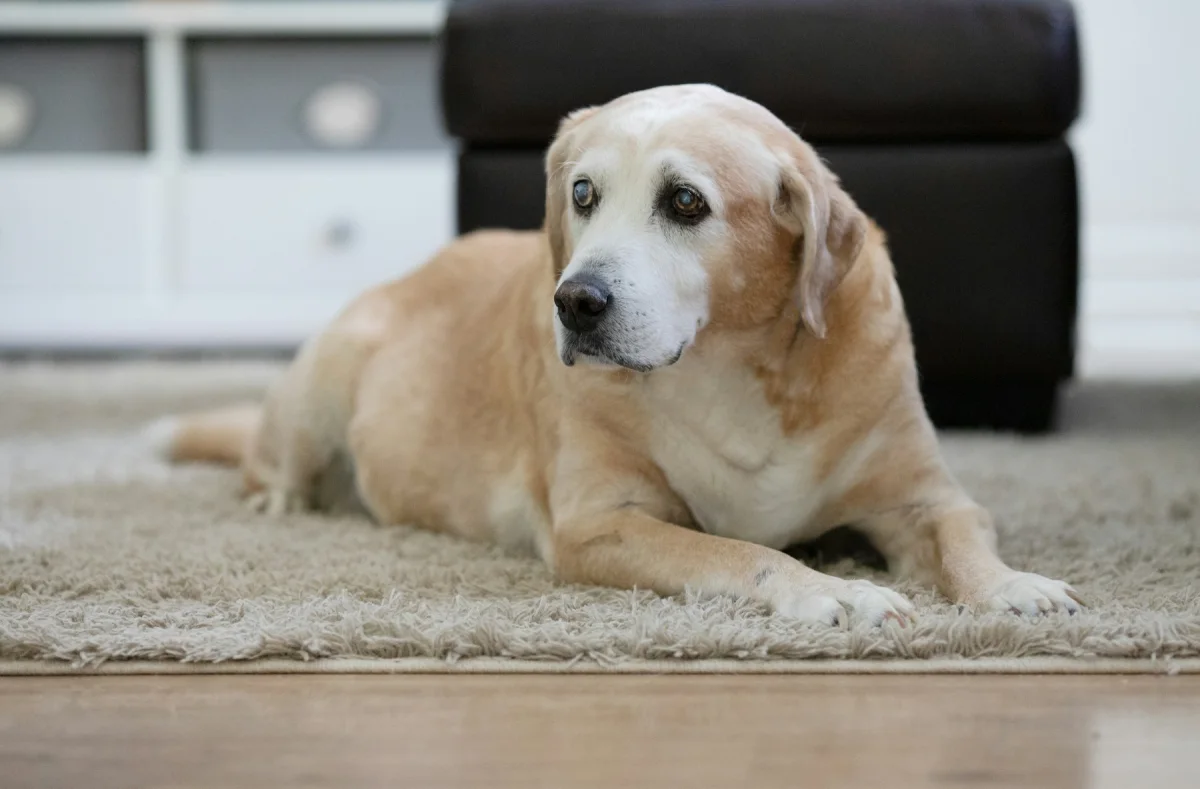
My dog is stiff for the first minute after naps. What should I record?
Start with one natural first rise: surface, pause, first steps, slipping, and recovery.
Read the lesson →
Something feels different. Start with one moment from their day. Find what to notice, what to record and when to get help.
Explore care questions →
Add age, breed, known conditions and medicines once so each lesson can account for the dog you actually know.
Start with one natural first rise: surface, pause, first steps, slipping, and recovery.
Read the lesson →
Record the first behavior, exact time, bathroom trip, breathing, and what finally helps.
Read the lesson →
Measure the amount, then note chewing, swallowing, nausea clues, water, stool, and energy.
Read the lesson →
Measure one ordinary 24-hour period without restricting water, then pair it with urine and energy changes.
Read the lesson →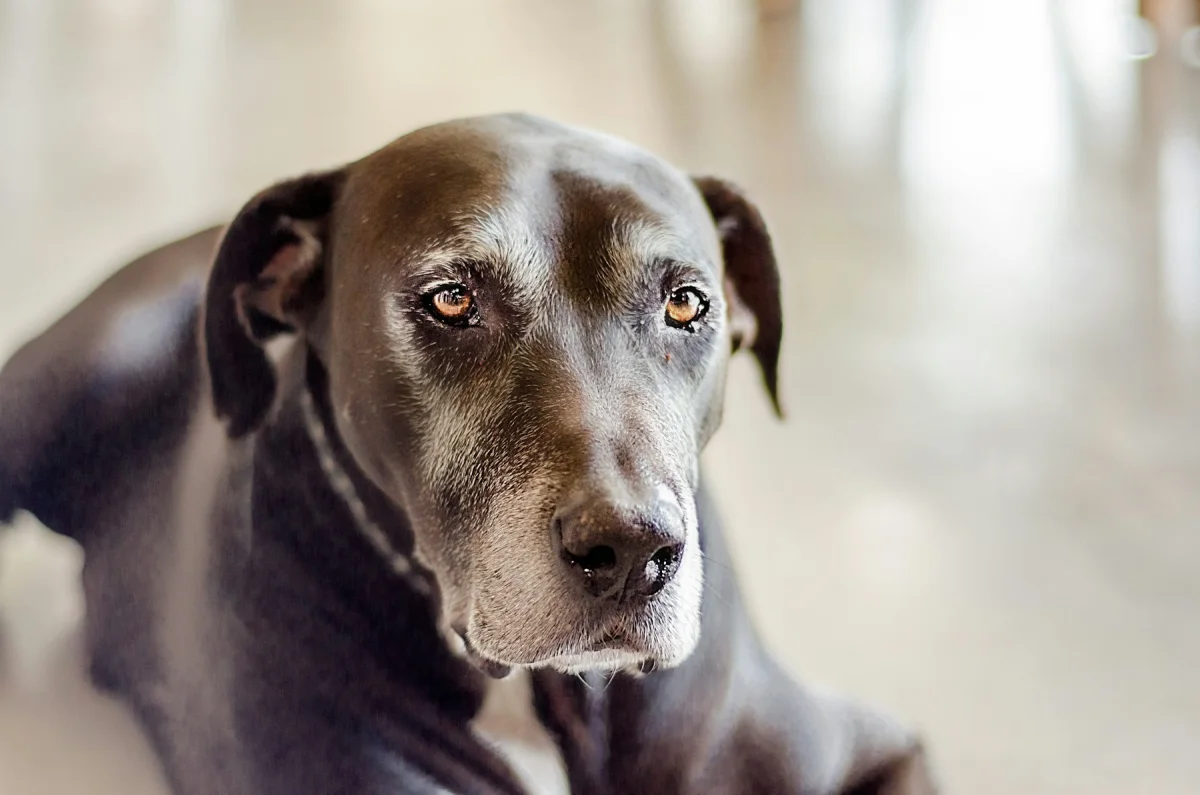
Yes—name the missing routine, when it changed, what helps, and any paired movement or sleep changes.
Read the lesson →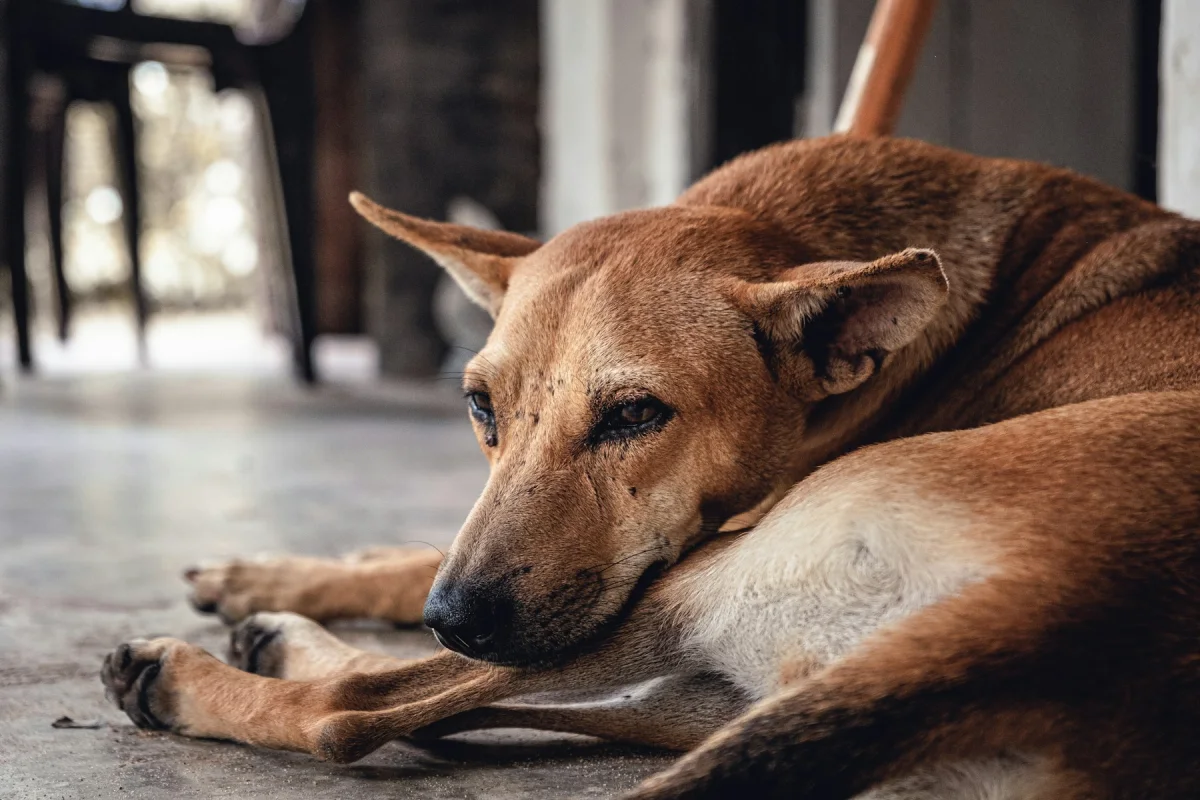
Stay neutral, make access easier, and record timing, urgency, posture, amount, and paired signs.
Read the lesson →
Call today for triage. If your dog is stable and it does not delay care, one short natural video and a resting-breath count can help.
Read the lesson →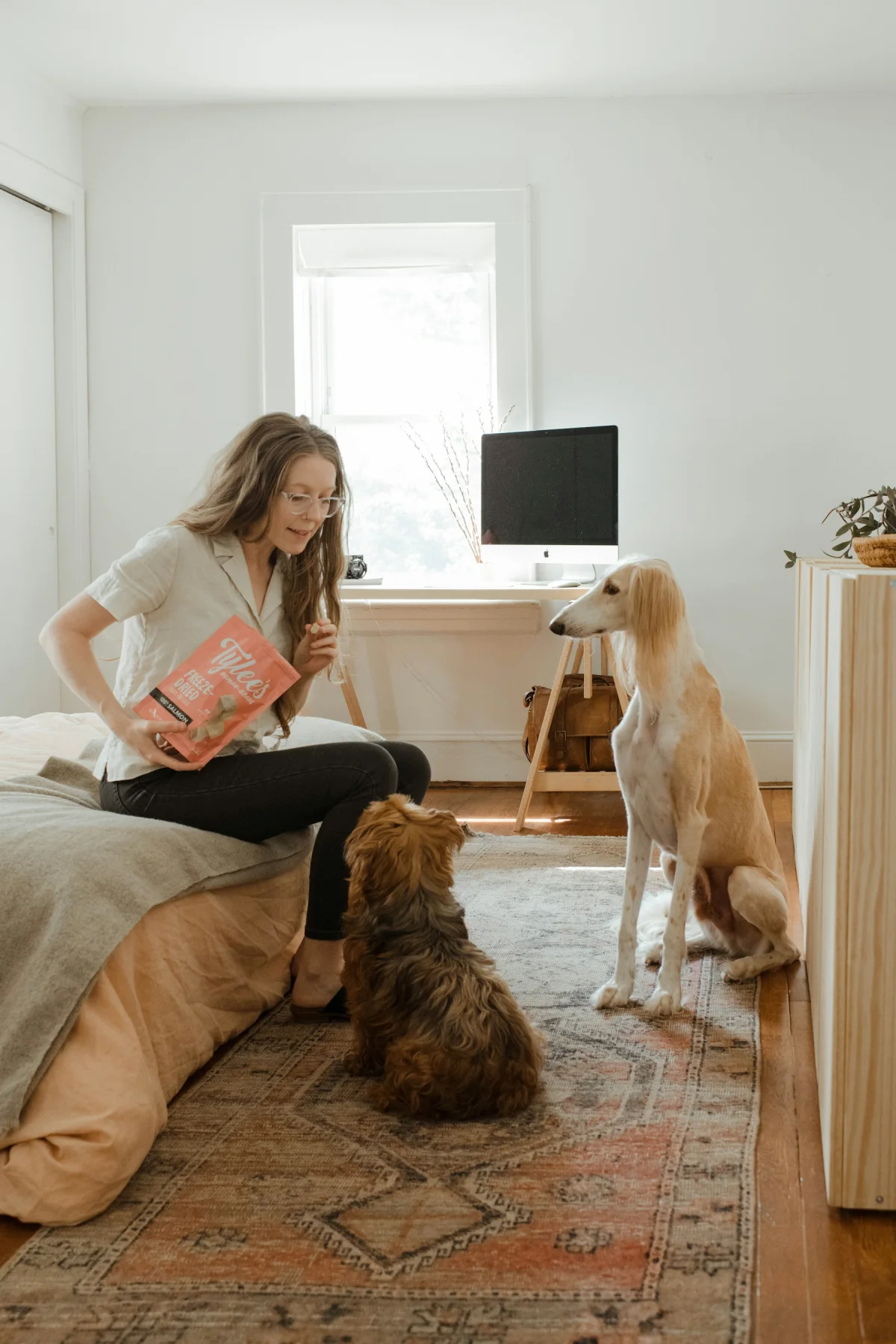
Compare weight trends with appetite, water, bathroom habits, medicines, movement and energy.
Read the lesson →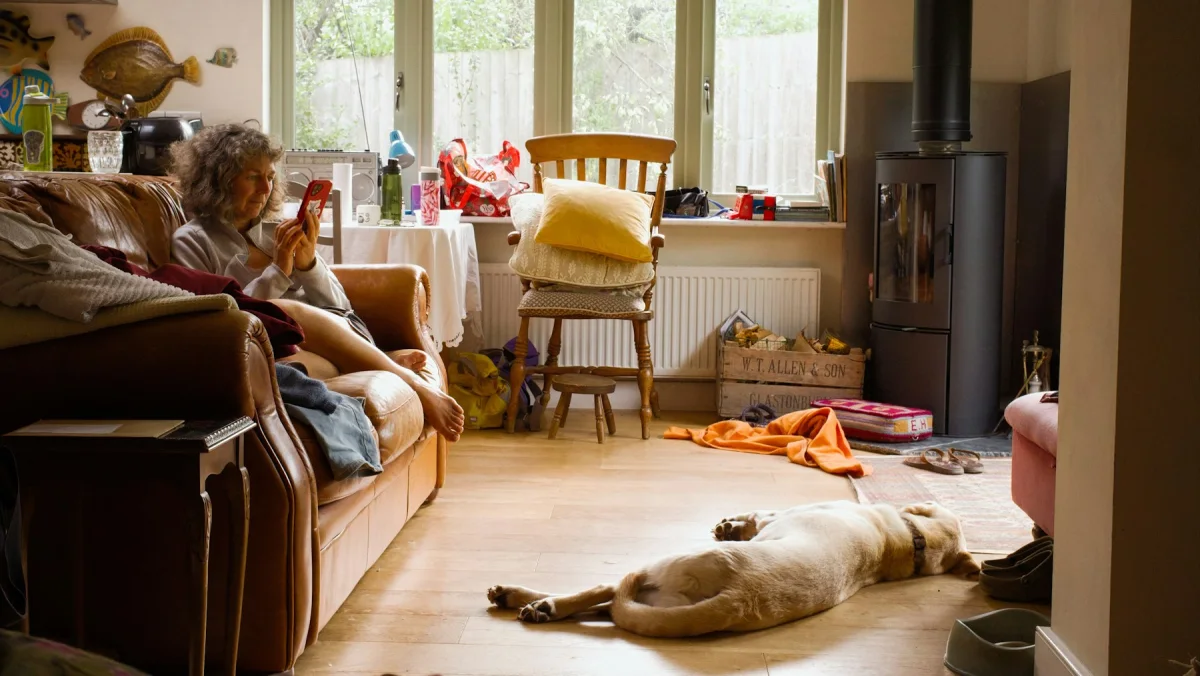
Put the exact dose time beside the new symptom, meals, water, bathroom changes, sleep, movement, and recovery.
Read the lesson →
Use a dated photo, ruler, exact body location, texture, growth speed, and whole-body changes.
Read the lesson →
Compare calm, familiar cues in consistent light and record side, distance, alertness, balance, and eye changes.
Read the lesson →
Record the first minute of eating, side preference, dropped food, drooling, odor, meal duration, intake, and weight trend.
Read the lesson →