
A new cough or breathing change
Call your veterinary team first for a new or repeated cough at rest. Breathing trouble or distress needs emergency care now.
Call your veterinarian today.Do not wait to build a record. Breathing trouble needs emergency care now →- Dog
- Cooper · 8 years · Cocker Spaniel
- Owner-shared conditions
- heart murmur
- What changed
- a new cough while resting after dinner

You can remove this post and its public lesson whenever you choose.

Call today before you track
You will contact the veterinary team first and describe the change clearly without delaying care.
A new or repeated cough while resting deserves same-day veterinary triage. The veterinary team can decide whether your dog needs immediate, same-day, or prompt next-day assessment.
- Call today and lead with whether the cough happened during sleep or quiet rest, how often it repeated, and whether breathing looks harder or faster.
- Go to emergency care now for difficult breathing, blue, gray or pale gums, collapse, severe weakness, inability to settle, or a constant severe cough.
- Do not wait for a complete log or try to recreate the cough before calling.

Add one safe observation after the call
You will have a brief natural video or resting-breath count only if your dog is stable and the veterinary team says it is appropriate.
A record is secondary to care. If it does not delay the appointment and your dog is breathing comfortably, capture one natural event or count breaths during true sleep.
- Count one rise and fall as one breath for 30 seconds, then double it.
- Take one short natural video only if it is safe; never exercise, excite, or repeatedly test your dog.
- Stop immediately and seek emergency help if breathing looks difficult, gums change color, or your dog cannot settle.
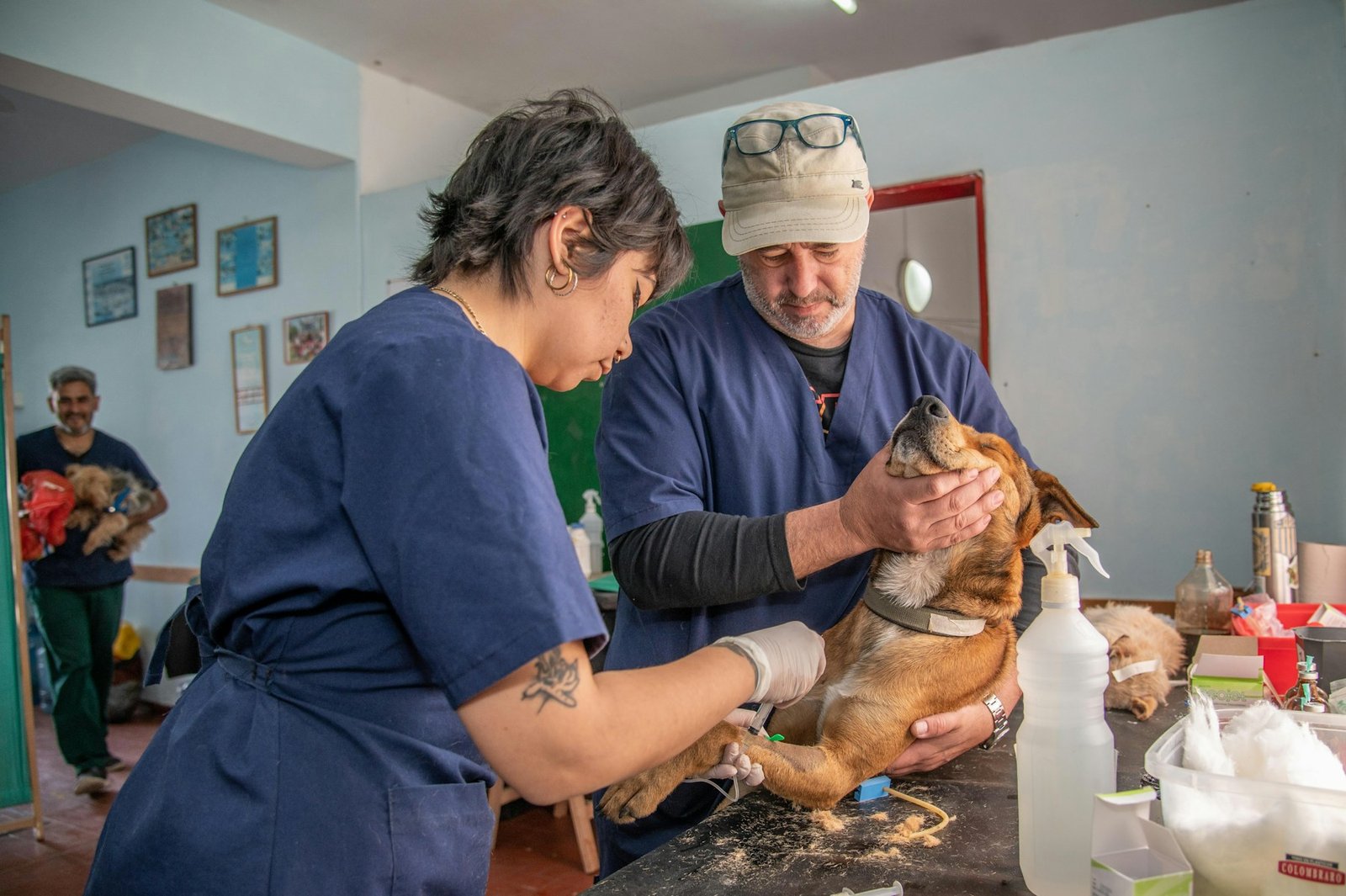
Make the veterinary call specific
You will know what to report first and what needs emergency care.
Lead with onset, frequency, effort, gum color, recovery, and any paired appetite, energy, heart, or medicine change.
- Bring one short natural video if it can be taken safely.
- List heart, airway, allergy, pain, and current medicine history.
- Trouble breathing, blue or gray gums, collapse, or severe distress needs immediate care.
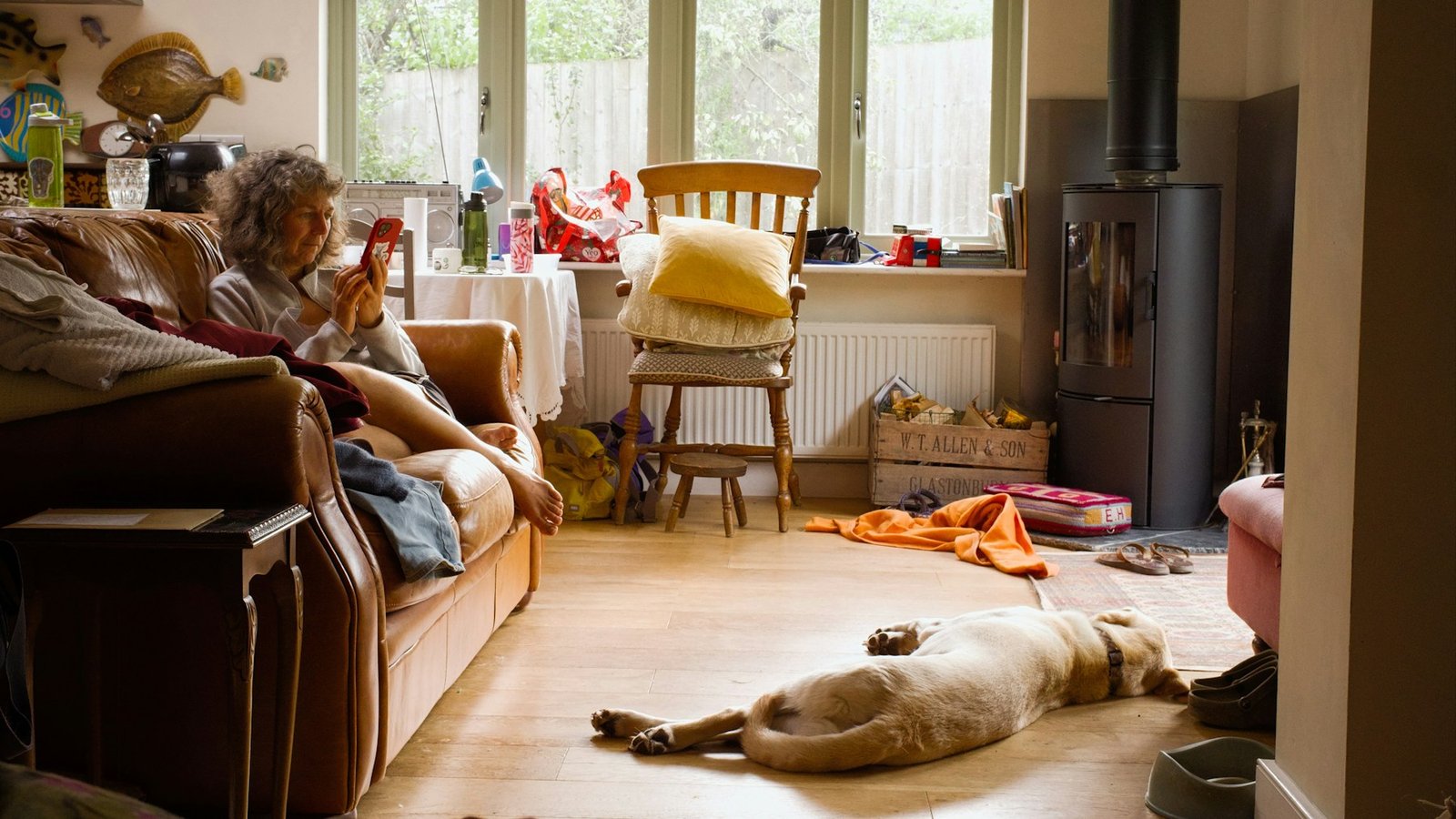
Call first, then send a brief breathing summary
Get veterinary triage now, then share a safe observation only if it does not delay care.
A new or repeated cough at rest deserves a same-day call. Breathing difficulty, collapse, abnormal gum color or severe distress needs emergency care now.
- Call first and report whether the event happened during sleep or quiet rest, how often it repeated, and whether breathing looks harder or faster.
- If your dog is stable and the veterinary team agrees, count chest rises for 30 seconds during true sleep and double the number.
- Share one safe short video, the resting count, medicines and the exact first date only when doing so did not delay care.
Call sooner when you see this
Difficult or fast breathing that does not settle, blue, gray or pale gums, collapse, inability to lie down or settle, severe weakness, choking, or a constant severe cough needs immediate veterinary care.
Find care now