
Changes in appetite
Measure what was offered, what was eaten, and how eating looks before guessing at a cause.
- Dog
- Daisy · 13 years · Beagle
- Owner-shared conditions
- dental disease
- What changed
- eats half her meal, drops kibble and turns away

You can remove this post and its public lesson whenever you choose.

Measure the meal change
You will replace ‘eating less’ with amounts, timing, and paired signs.
Use the same scoop or scale and record what was offered, what remained, treats, water, vomiting, stool, and recent weight when available.
- Measure before and after the meal.
- Keep treats and table food in the same record.
- Add medication timing and any recent food change.

Watch how eating happens
You will spot mouth, nausea, or effort clues worth reporting.
The way your dog approaches food can be as useful as the amount eaten.
- Note dropping food, chewing on one side, or preferring soft food.
- Record lip licking, repeated swallowing, approaching then leaving, or hiding.
- Do not add supplements or make a restrictive diet change without veterinary guidance.
Prepare the appetite call
You will know what to report and when waiting is not appropriate.
Combine the timeline with the whole routine: water, bathroom, energy, weight, medicines, and medical history.
- List dental history, conditions, and all current medicines.
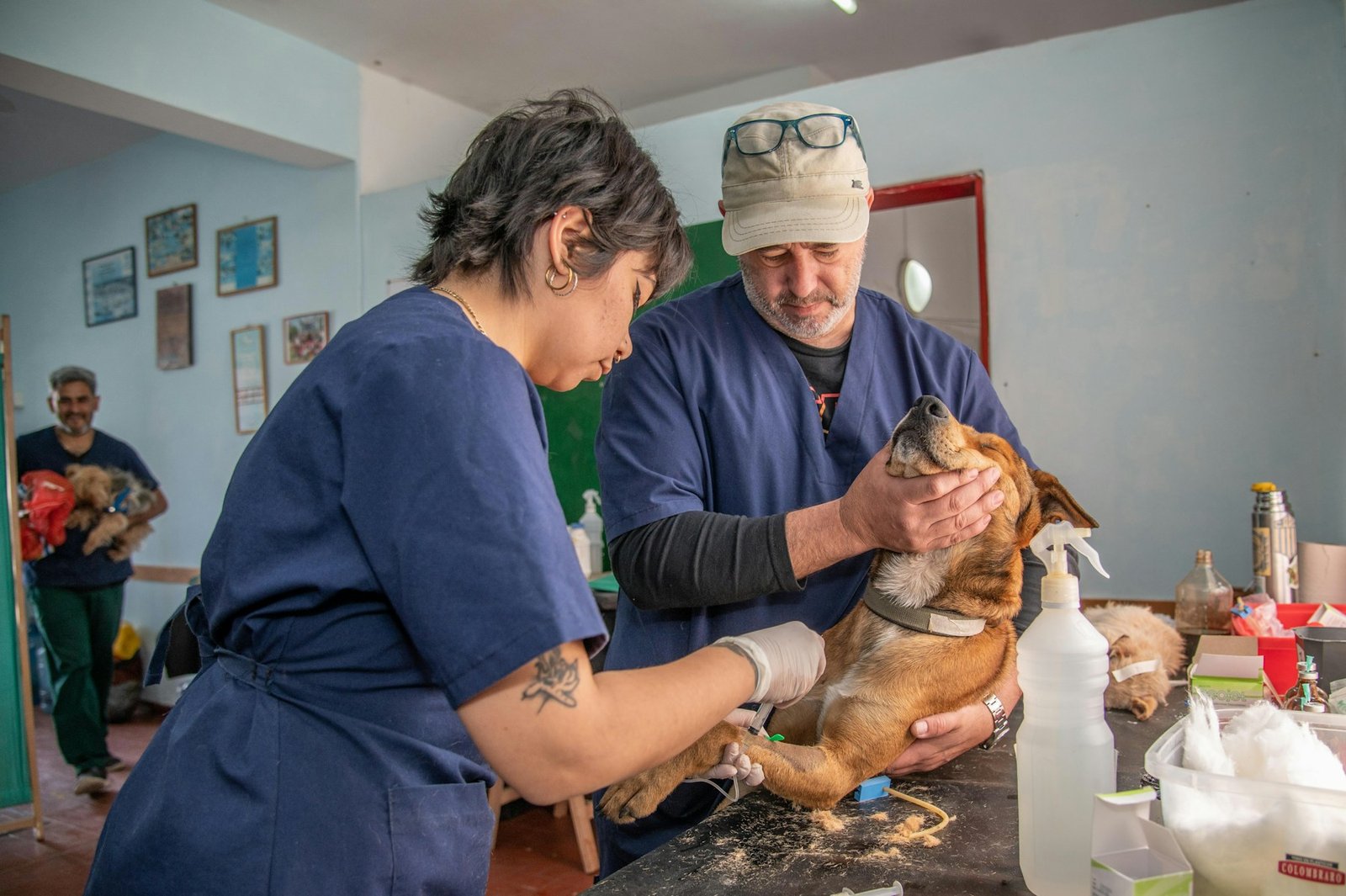
- Ask how soon your dog should be examined.
- Confirm what food, water, weight, vomiting, and stool changes to monitor next.

Create a food and comfort record
Show what was offered, what was eaten and which mouth or stomach clues appeared.
Portion, texture and behavior together help the care team see whether the change looks related to appetite, chewing, nausea or comfort.
- Measure the portion offered and remaining instead of writing ‘ate less.’
- Note food texture, chewing side, dropped food, lip licking, nausea signs and water intake.
- Add dated weights, medicine changes and two clear questions for your veterinary visit.
Call sooner when you see this
Repeated vomiting, abdominal swelling, marked weakness, blood, pain, dehydration, known diabetes with poor appetite, or a dog who stops eating needs prompt veterinary advice.
Find care now