
Slower after rest
Turn a vague slower morning into a useful first-rise record and a safer plan for today.
- Dog
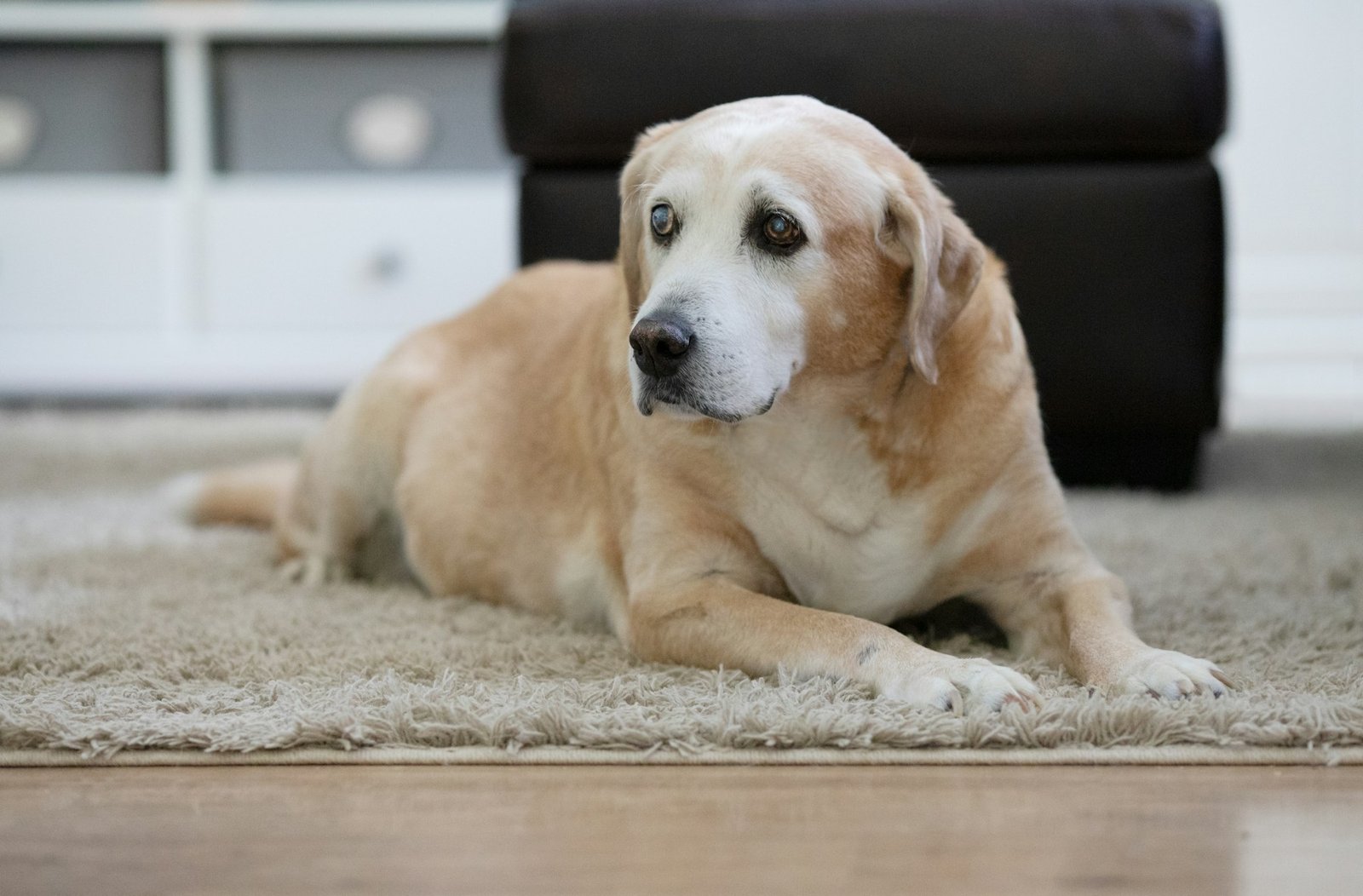
- Milo · 12 years · Golden Retriever
- Owner-shared conditions
- arthritis
- What changed
- slower first steps after naps; hallway slipping
You can remove this post and its public lesson whenever you choose.
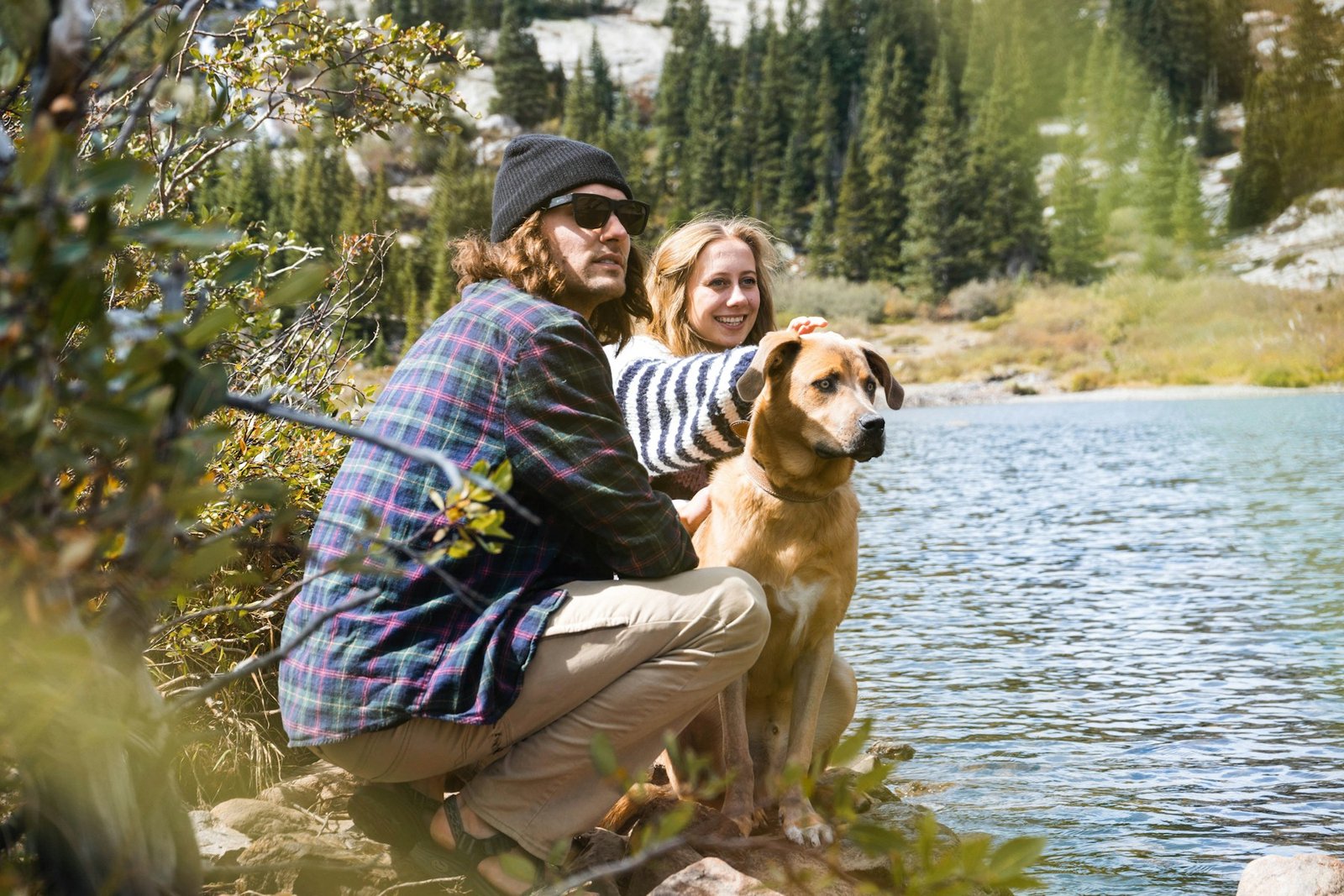
Measure one natural first rise
Record the first rise clearly enough to compare again tomorrow.
Watch one ordinary rise after a familiar nap. Time the pause, count the first stiff steps, and note whether the feet slip or movement loosens.
- Use the same rest place and time of day when possible.
- Record the surface, pause, first 10–15 steps, and recovery.
- Never repeat stairs, jumps, or standing tests for a video.

Make the usual route easier today
You will know which low-risk home change to try first.
Reduce slipping and unnecessary effort while keeping the routine familiar enough to see what actually helps.
- Add traction on the normal rise and water route.
- Keep water, toileting, and a comfortable rest place easy to reach.
- Change one environmental detail at a time and record the result.
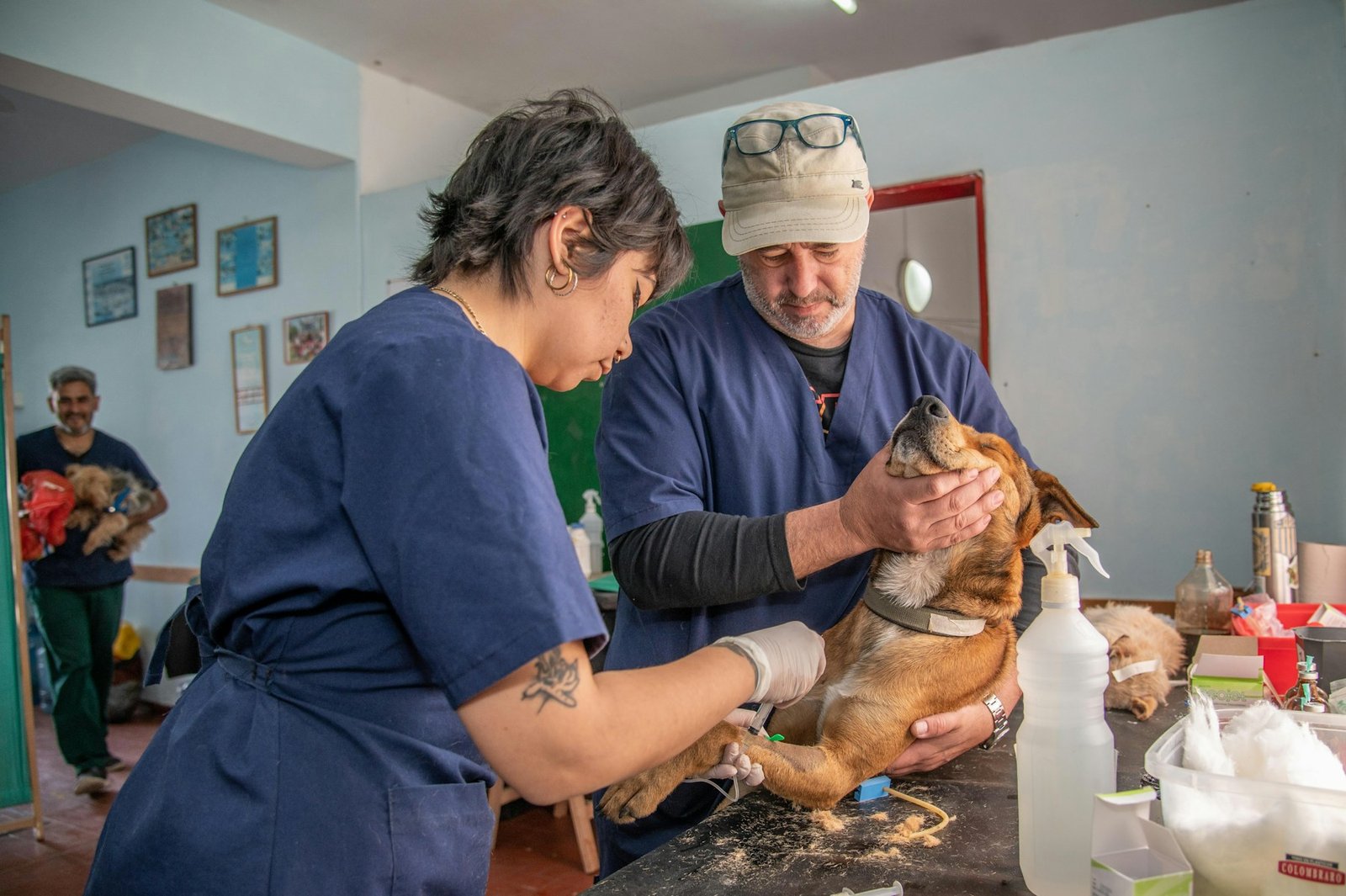
Build a vet-ready mobility summary
You will have the exact points to bring to the appointment.
Lead with when the change began, how often it happens, what helps, and which daily activity has become harder.
- List current medicines, supplements, injuries, and recent activity changes.
- Bring one safe video of an ordinary rise when available.
- Ask what improvement should look like and which changes need same-day advice.

Prepare a vet-ready mobility summary
Turn one ordinary rise into a clear, repeatable mobility record.
A short, consistent record helps separate a one-off difficult moment from a pattern that deserves a faster conversation.
- Record the surface, length of the pause, first five steps, slipping and recovery.
- Add a safe side-view video of one natural rise; never make your dog repeat it for the camera.
- Share the dates, changes, current medicines and what made movement easier or harder.
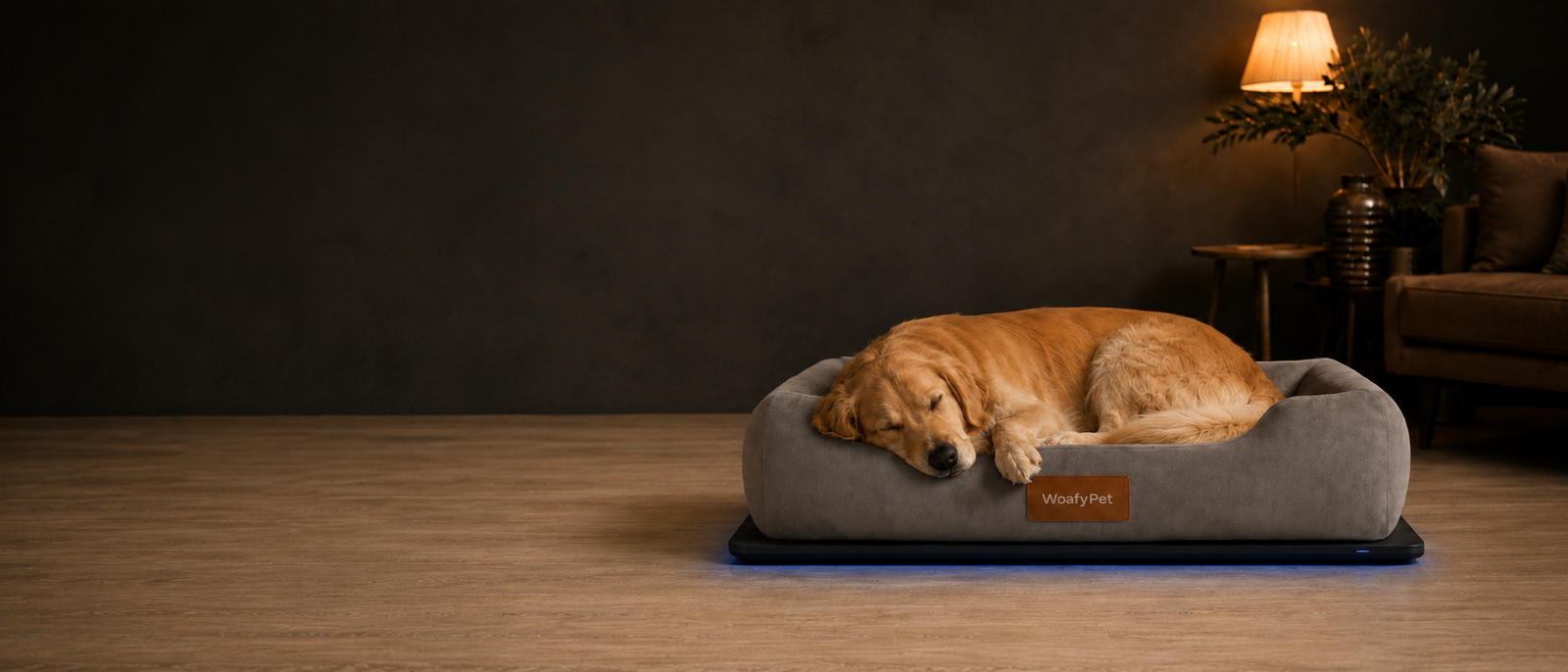
Easier entry. Better support.
Low entry and orthopedic foam support stiff dogs. Smart Base tracks rest, bed use and weight changes.
- Low front entry
- Orthopedic foam
- Washable cover
- Passive pattern tracking
Call sooner when you see this
Seek prompt veterinary help for sudden inability to stand, dragging a limb, crying out, collapse, severe swelling, or rapid decline after an injury.
Find care now