
A change in vision or hearing
Separate a gradual sensory change from sudden confusion, make familiar routes safer, and document what still works.
- Dog
- Theo · 12 years · Miniature Poodle
- Owner-shared conditions
- early cataracts
- What changed
- misses hand cues at dusk and startles from the left
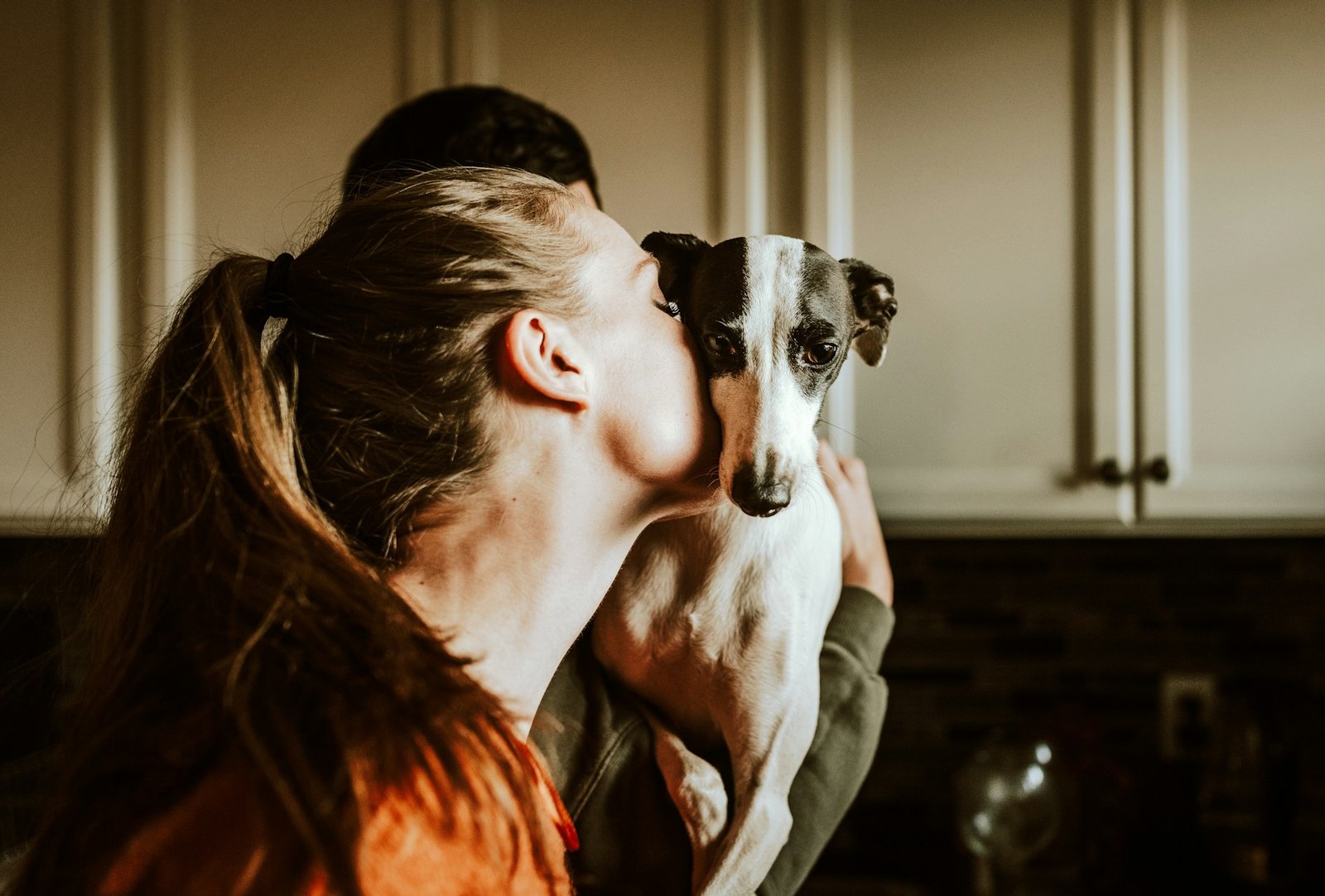
You can remove this post and its public lesson whenever you choose.
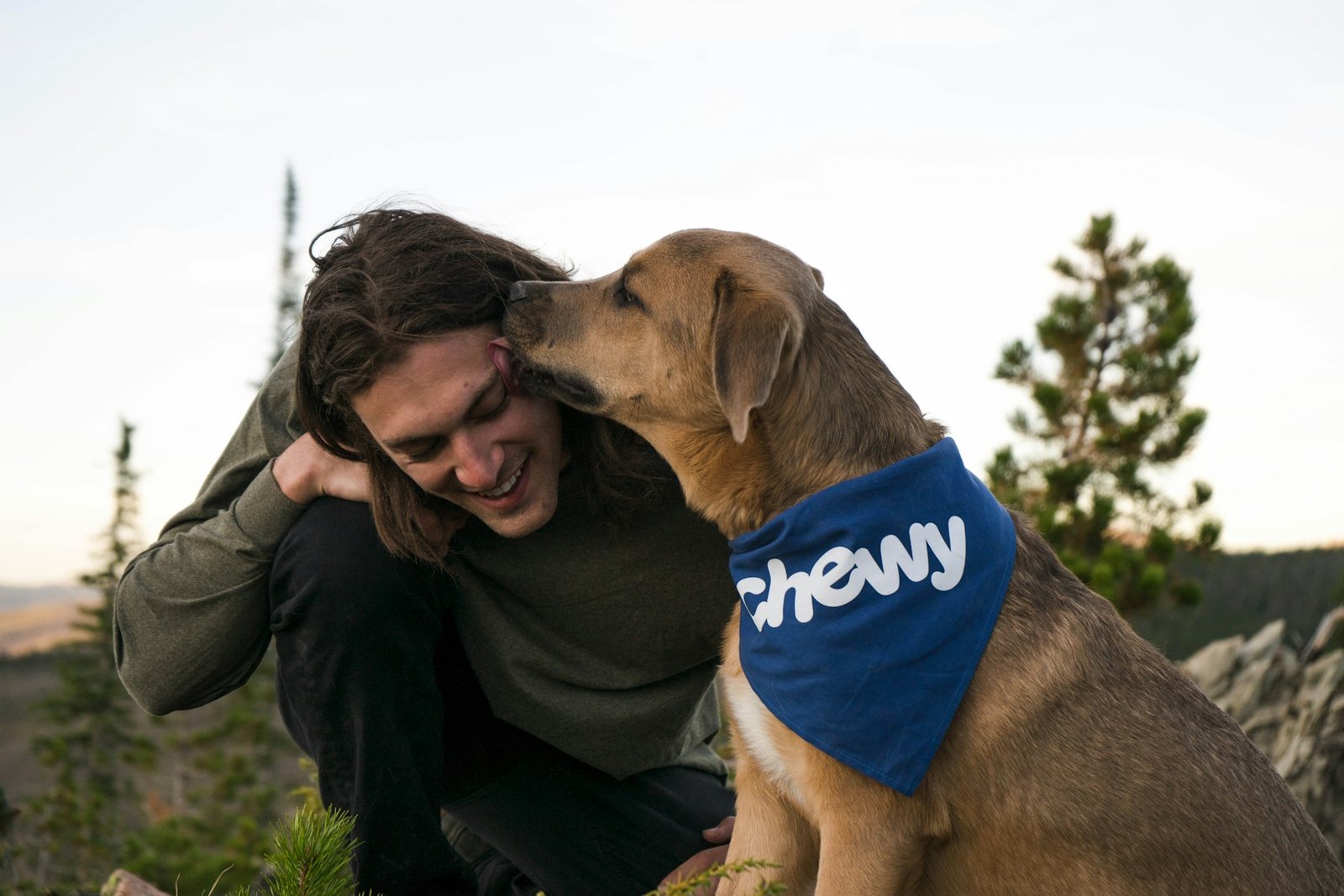
Test ordinary moments safely
You will identify whether the pattern involves sound, sight, attention, movement, or several systems together.
Observe familiar cues without frightening your dog or forcing a response.
- Record response to their name, a familiar hand signal, food preparation, and a normal doorway.
- Note lighting, distance, which side you approached, and whether your dog was awake.
- Film one natural example and record head tilt, circling, eye redness, cloudiness, or imbalance.

Make familiar routes predictable
You will reduce surprises without removing independence.
Consistency, traction, lighting, and a gentle approach can protect confidence.
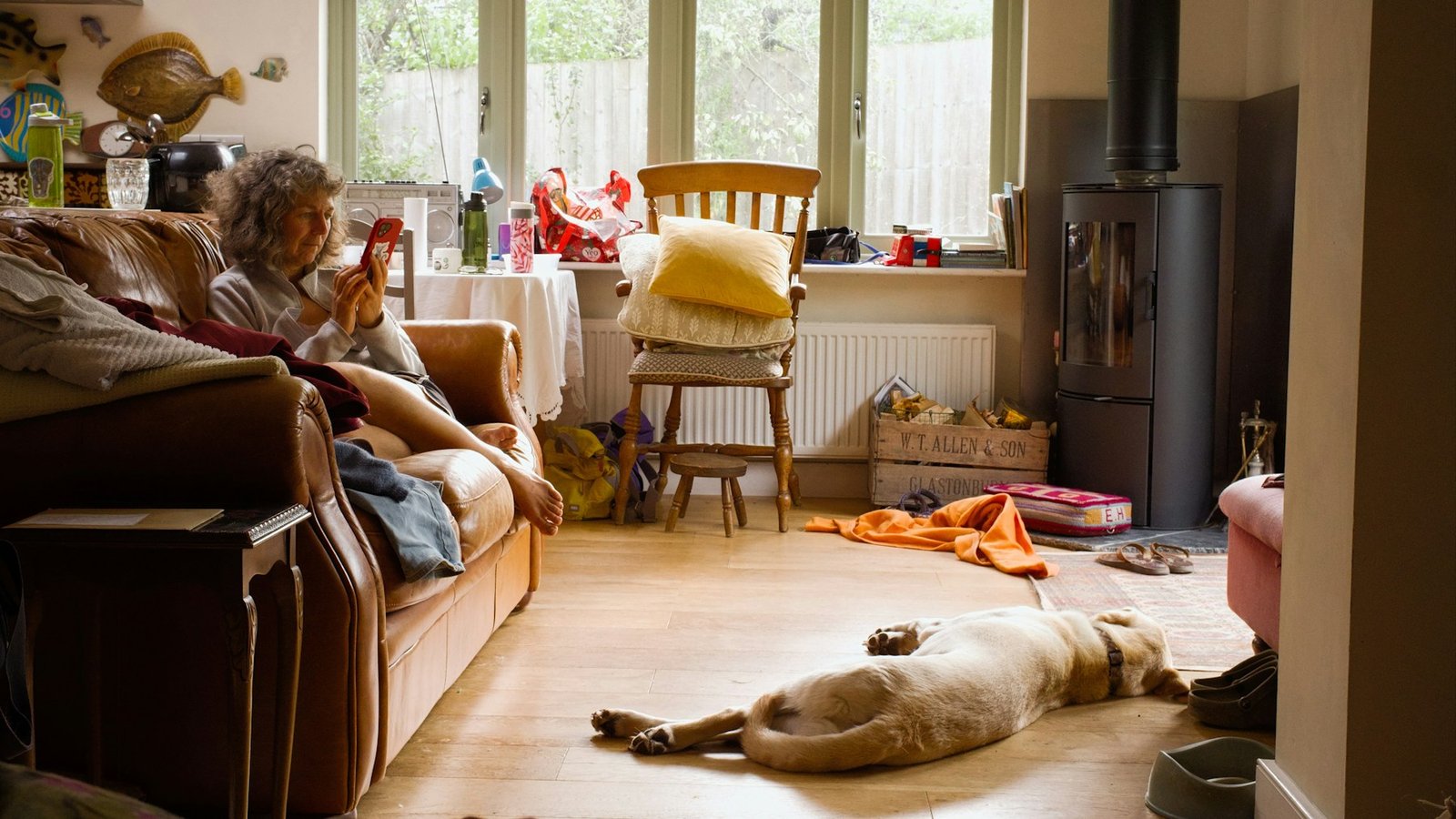
- Keep furniture, bowls, beds, and bathroom routes in consistent places.
- Add even lighting and traction at stairs, thresholds, and dark hallways.
- Approach where your dog can see or smell you, then use a gentle touch cue before handling.
Know when a sensory change is urgent
You will distinguish a gradual adjustment from pain or sudden neurologic change.
Sudden blindness, a painful red eye, collapse, severe imbalance, seizures, or acute confusion should not wait.
- Record whether onset was sudden or gradual and whether one side seems different.
- Share eye appearance, balance, appetite, medicines, sleep, and recent injury or illness.
- Protect your dog from stairs and hazards while seeking prompt veterinary advice for sudden changes.
Map when and where senses seem different
Show whether the change varies by light, location, side or familiar cue.
Context helps distinguish a repeated pattern from one confusing moment and supports a safer home setup.
- Record light level, room, distance, side approached and the familiar cue that was missed.
- Keep routes predictable and add light or gentle touch cues without startling or testing repeatedly.
- Share onset, frequency, navigation changes, eye or ear signs and a safe natural video.
Call sooner when you see this
Sudden blindness, a painful red or enlarged eye, collapse, seizure, severe imbalance, head tilt with distress, or acute confusion needs prompt veterinary care.
Find care now