
Drinking more water
Turn extra refills, longer drinks, and bathroom changes into a clear same-day record.
- Dog
- Archie · 9 years · Border Collie
- Owner-shared conditions
- recent steroid medicine
- What changed
- empties the water bowl sooner and urinates more often

You can remove this post and its public lesson whenever you choose.

Measure one normal day
Measure how much water your dog drinks in 24 hours.
Measure what goes into the bowl and what remains after 24 hours, accounting for spills and other animals.
- Use the same bowl and measuring cup for one ordinary day.
- Record refill times, urine frequency, accidents, appetite, and energy.
- Never restrict water unless a veterinarian specifically directs it.
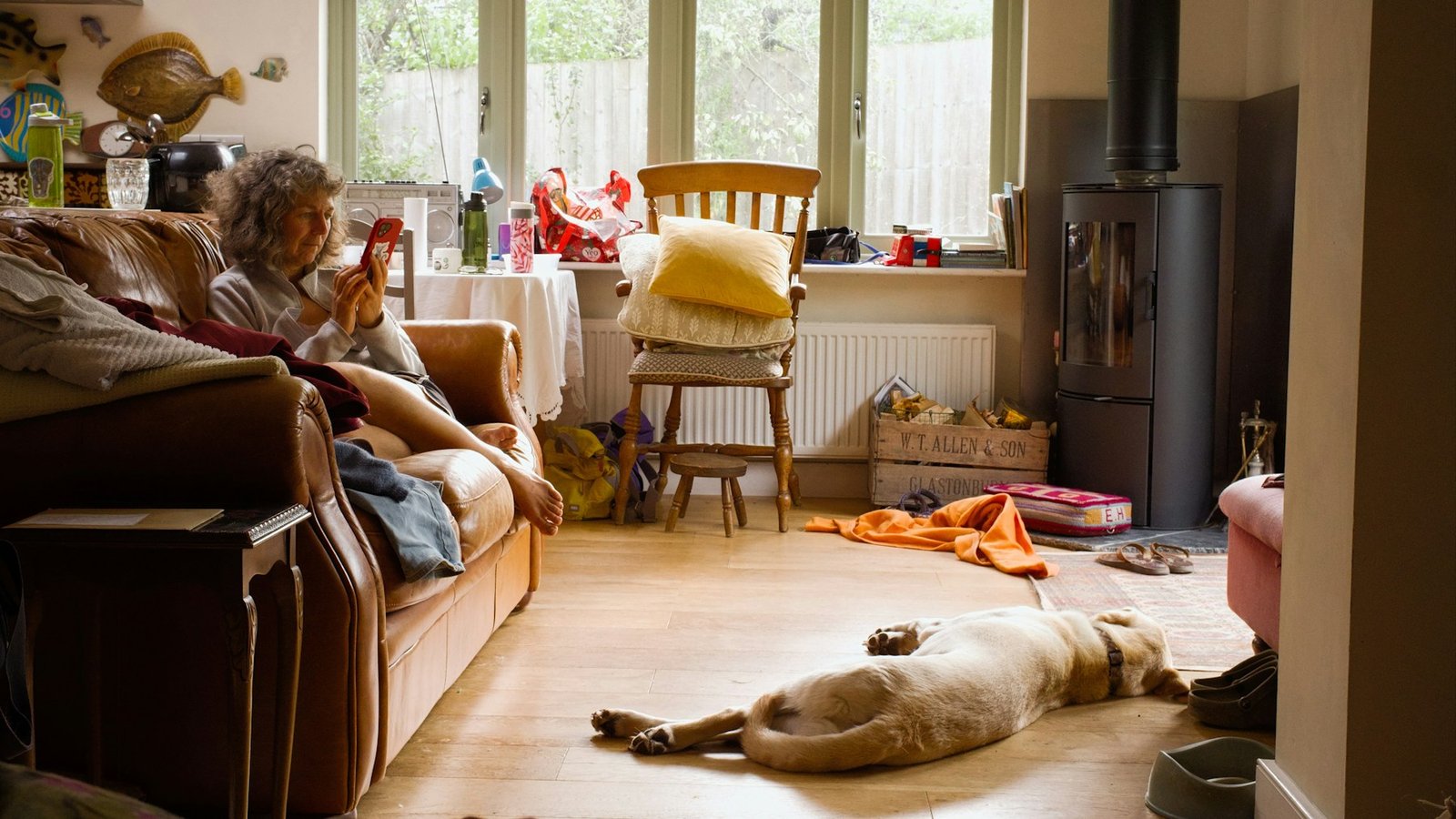
Pair water with the whole routine
You will know which related signs belong in the same record.
Thirst becomes more informative when paired with urine, appetite, weight, vomiting, medicines, and energy.
- Note larger urine clumps, longer urination, urgency, or accidents.
- Add recent medicines, food changes, heat, and activity.
- Use a recent weight when available; do not force extra weigh-ins.
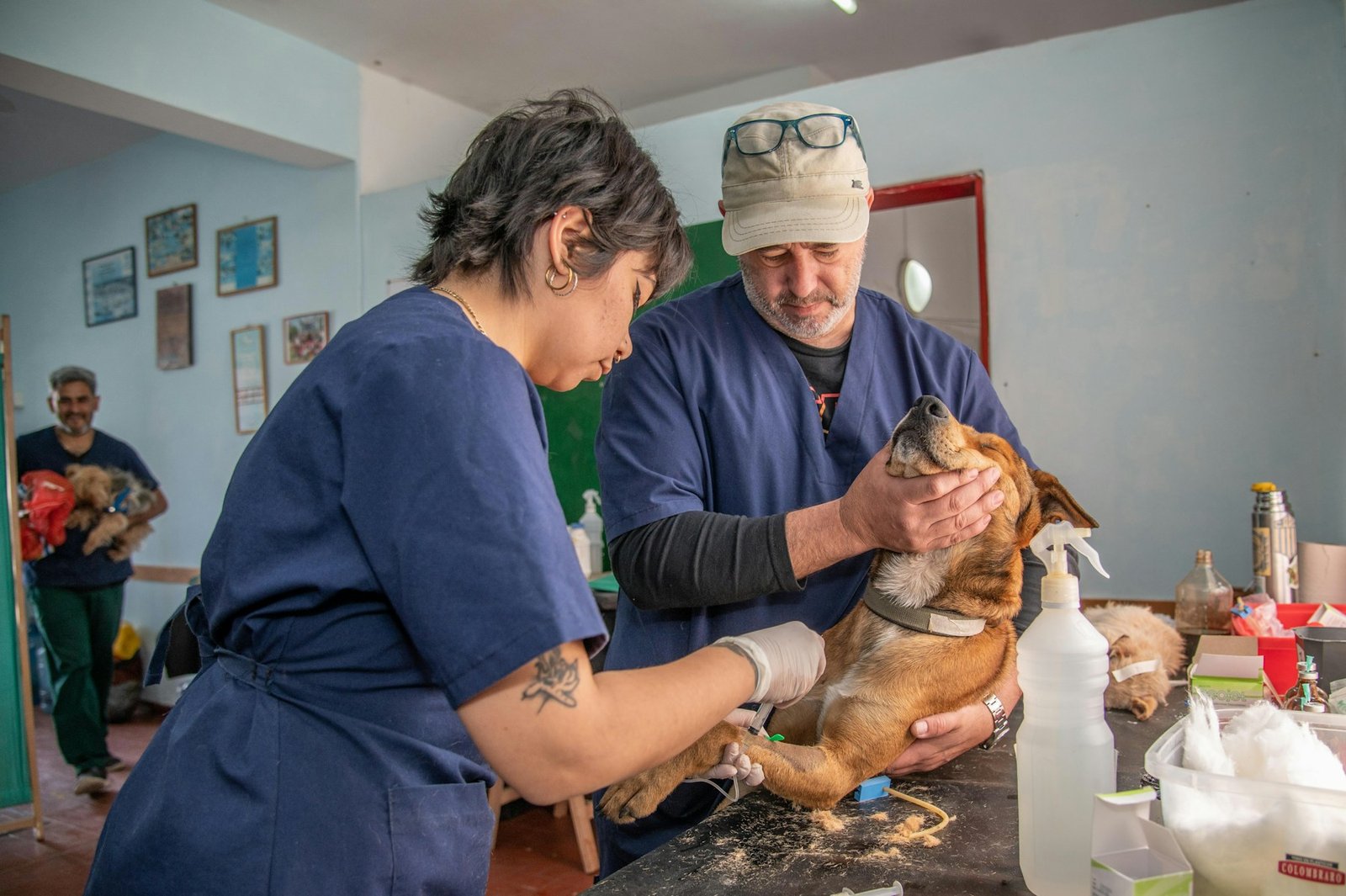
Make the call specific
You will have a measured timeline and know the urgent exceptions.
Report when it started, approximate intake, urine changes, appetite, energy, medicines, and any vomiting.
- Ask how soon the dog should be examined and what samples may be useful.
- Mention conditions such as diabetes, kidney disease, or hormone disorders.
- Inability to urinate, collapse, severe weakness, or distress needs urgent care.

Share a measured water and bathroom summary
Connect water intake with urination, medicines, appetite and energy.
A measured daily pattern is more useful than an impression—especially after a medicine or food change.
- Measure how much water is added and left over during the same 24-hour window.
- Record urination frequency, accidents, appetite, energy and any vomiting or diarrhea.
- Share the dog's weight, current medicines, start date and the measured pattern with the veterinary team.
Call sooner when you see this
Inability to urinate, collapse, severe weakness, repeated vomiting, marked dehydration, or severe distress needs urgent veterinary care.
Find care now