
Recognize the exact change.
Replace vague worry with a specific behavior, time and routine.

Understand the changes aging dogs face. Know what to check, what to make easier today, and what deserves a faster call.
Call first for a new cough or breathing change.Do not wait for a tracker if signs are severe or worsening. Find urgent care →Call your veterinarian today for a new or repeated cough at rest, new faster breathing, marked weakness, or a sudden worsening change. Go to emergency care now for breathing difficulty, blue, gray or pale gums, collapse, inability to settle, or severe distress. A tracker must never delay care.
Find urgent care →Replace vague worry with a specific behavior, time and routine.
Use low-risk changes that protect access, traction, rest and dignity.
Separate useful tracking from signs that should not wait.
Organize the timeline, records and questions your veterinarian needs.
What to watch, what to do today, what to share and when to call sooner.





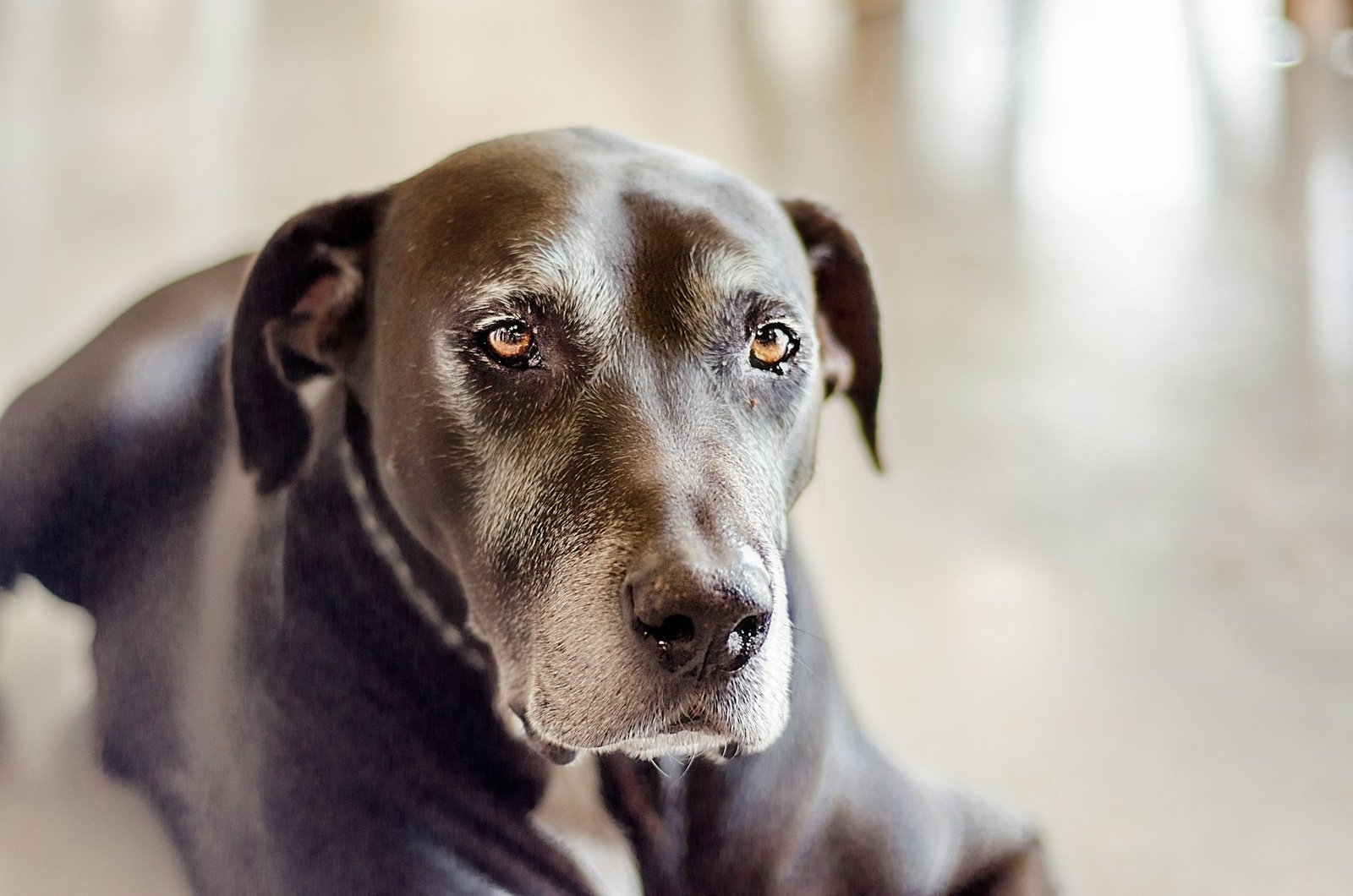

Call first for a new, severe or worsening change. Use this plan only after urgent signs are ruled out or when your veterinary team says home monitoring is appropriate. Stop and call if the sign worsens.
I called when her movement first changed. While waiting for the appointment, I recorded three difficult rises, two hallway slips and new avoidance of the kitchen steps. A runner helps, but the change continues.
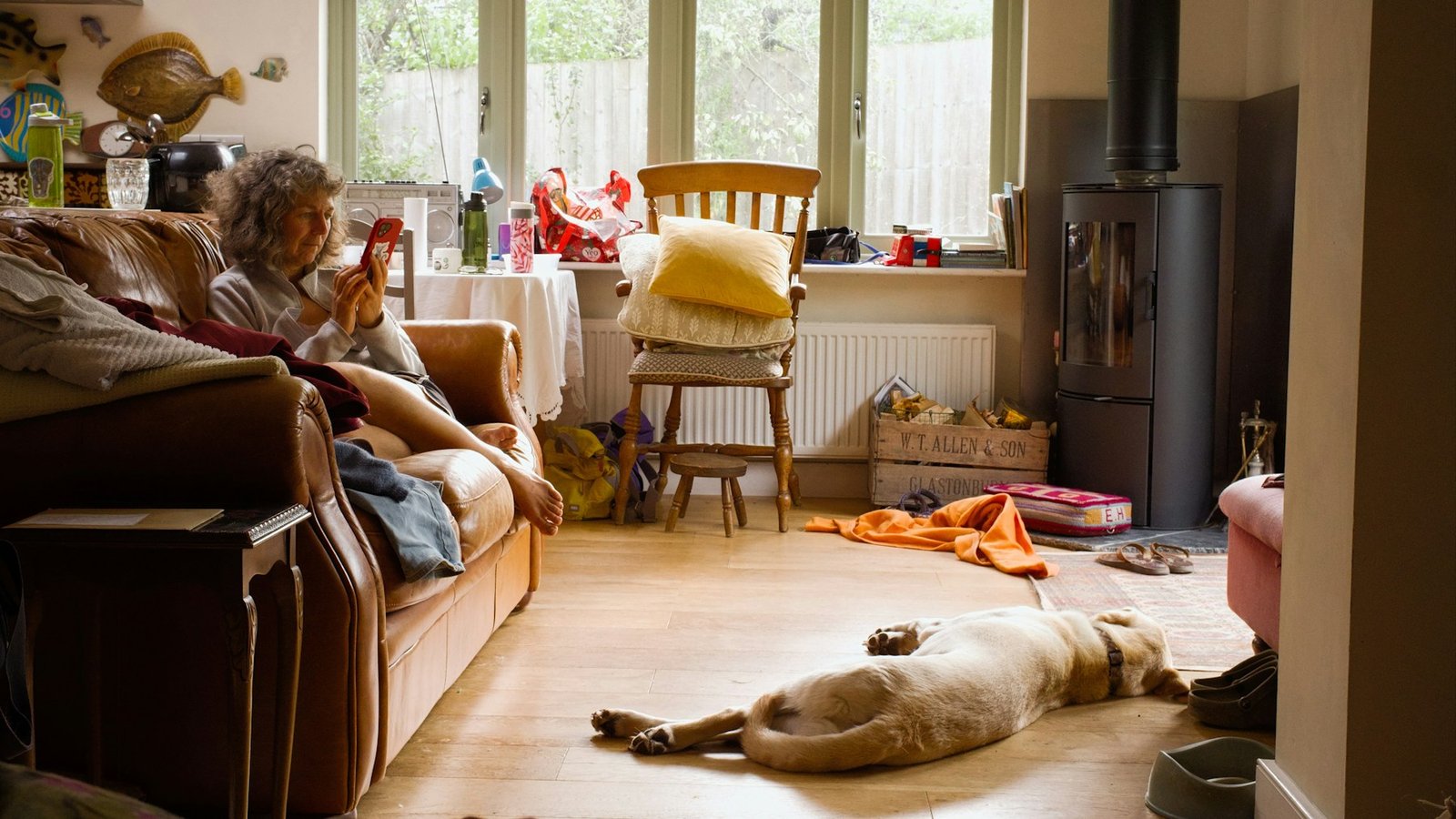
Notice the pattern, make the day safer and bring a clearer story to the professional who knows your dog.
“Dogs often compensate until changes become obvious. Long-term tracking can give owners and veterinarians more context.”Silvan R. Urfer, Dr. med. vet.Veterinarian & dog-aging researcher · Dog Aging Project

“Pain can be difficult to detect, especially when it is prolonged. Long-term monitoring can help reveal subtle changes.”Dr. Annika BremhorstVeterinarian & canine-pain researcher