
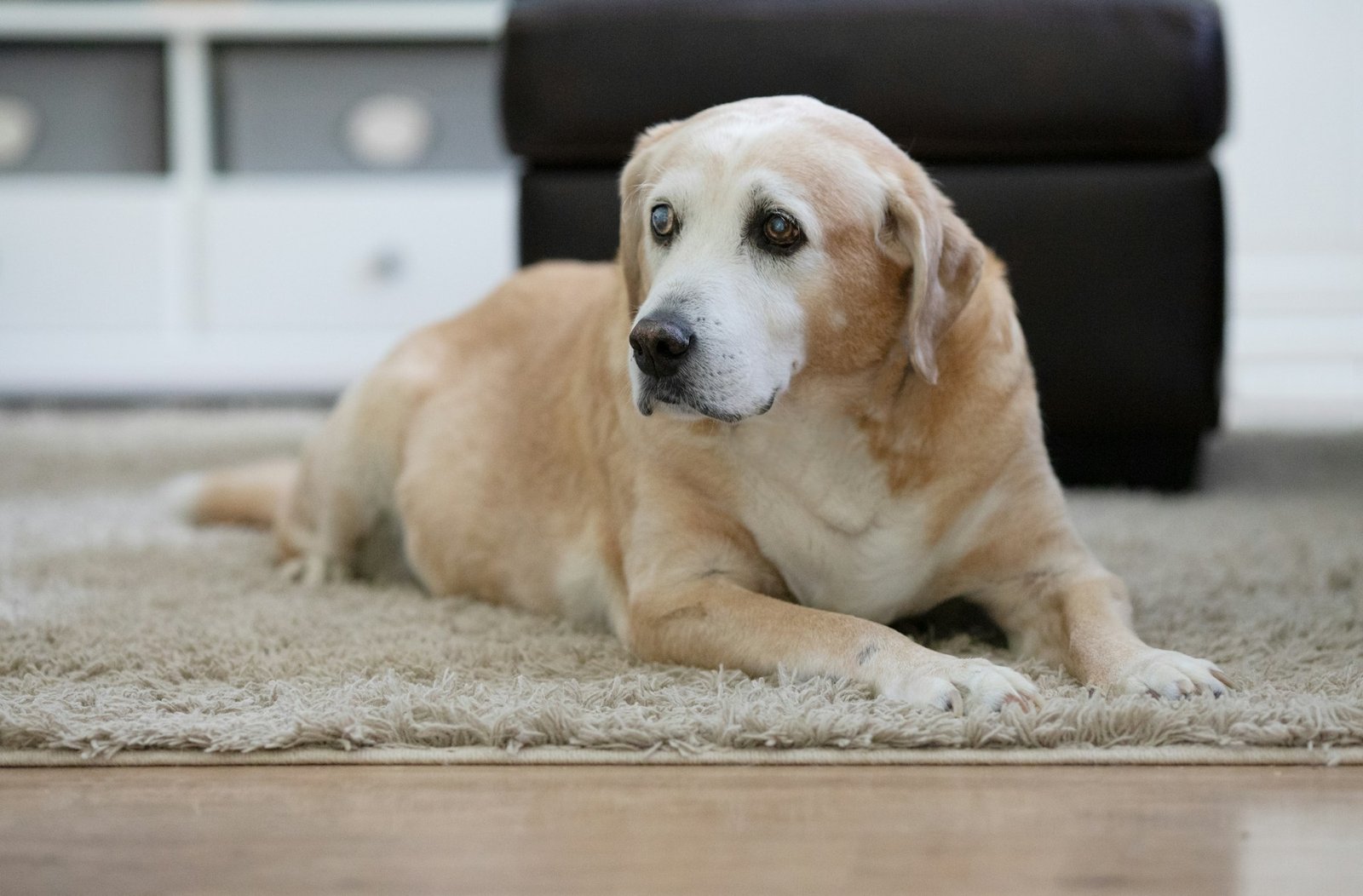
When a dog is still happy but moves differently
For families noticing slower rises, shorter walks, stair hesitation, changed sleep, or recovery that no longer looks the same.
What you can use right away.
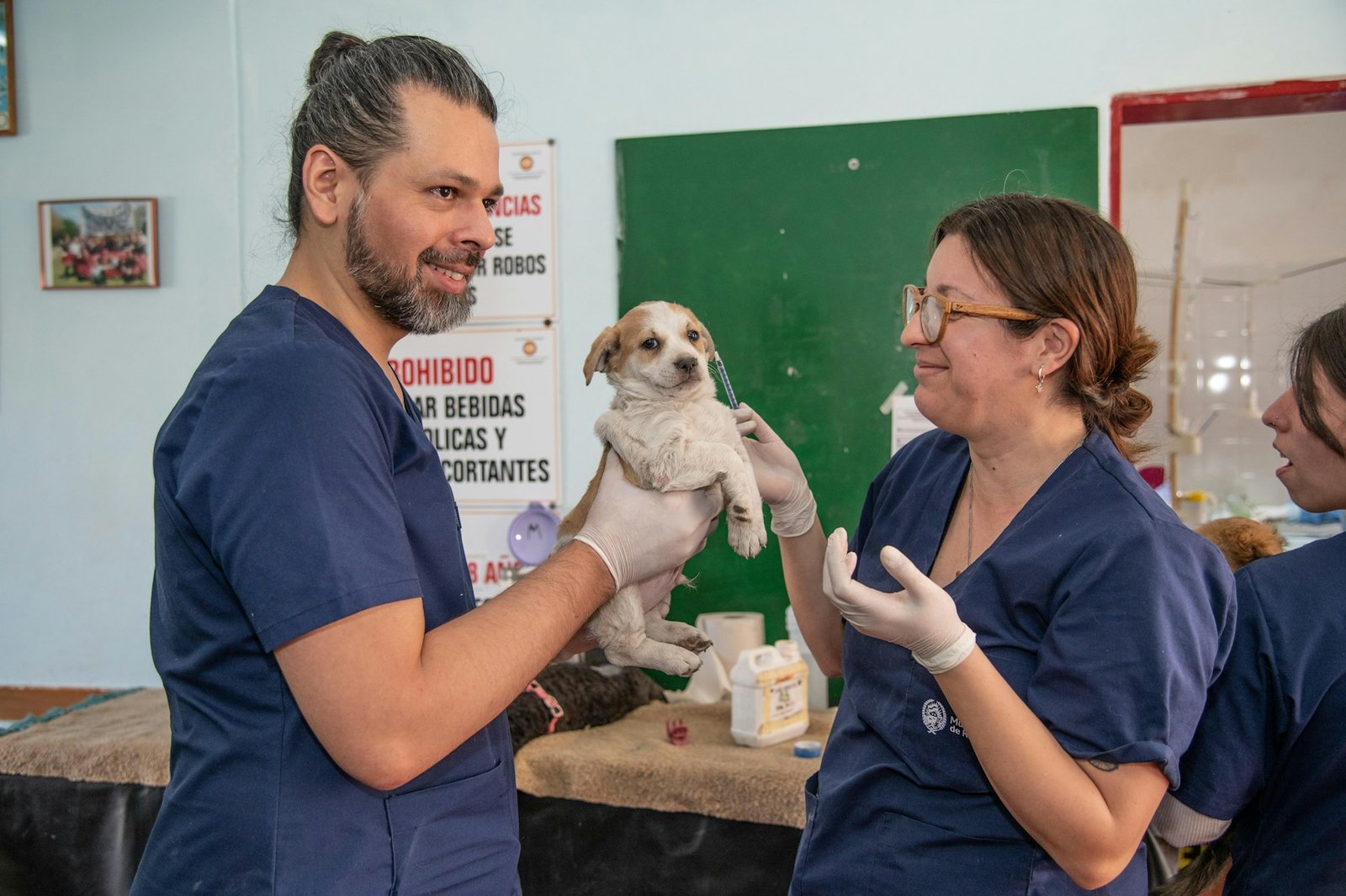
The hour, in real terms.
Start with the transition The first rise after rest, the turn around a corner, a step up, or the recovery after a walk can be more revealing than a label.
Keep the context Note the route, surface, weather, time of day, and what helps or makes the movement harder.
Make the plan practical Leave with one observation to keep, one home change to ask about, and one question for the next appointment.
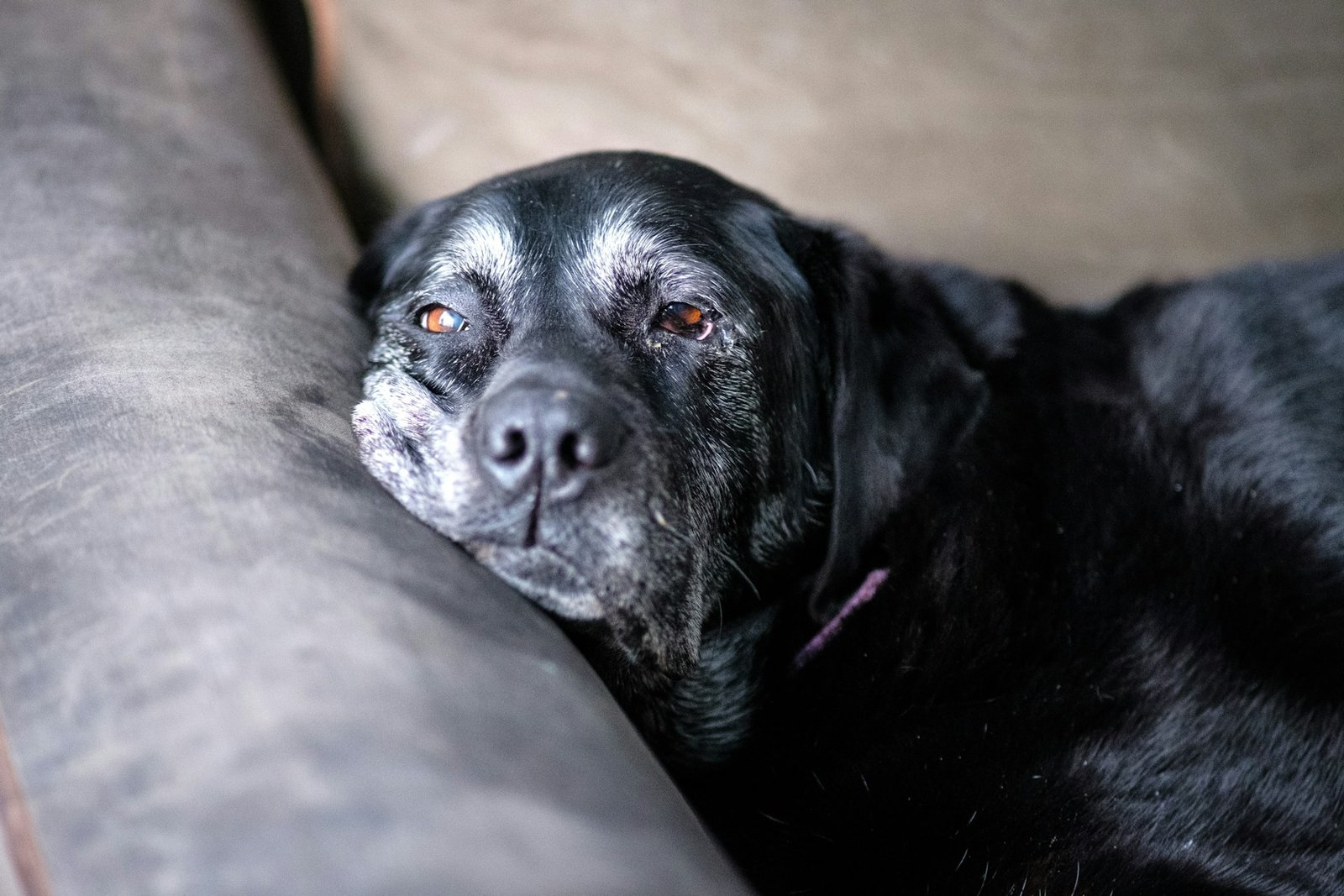
One clear observation can change the next conversation.
Bring the detail you would otherwise lose: a time, a familiar routine, a short ordinary video, the recovery afterward, or what helped. The goal is not to self-diagnose. It is to make the next question more useful.
Three situations we will make easier to describe.
 The pause before standingThe first few steps and whether they get easier can be helpful to record.Explore
 The stair that now takes thoughtHesitation, a new route, or asking for help can tell more than simply counting stairs.Explore
 The favorite walk that looks shorterWatch the pace, stopping point, recovery, and whether enthusiasm changes before assuming a reason.Explore
Keep the useful part after the session.
Save the observation in your care account, open the related guide, or use Care Circle when it would help to hear how another owner handled a similar routine.